24.10.14


28.9.14
Israel "Cachao" Lopez
Who is Cachao?
 Israel "Cachao" Lopez is often lauded as the creator of Mambo, which then led to the advent of Salsa music. More broadly, he is respected as the greatest bassist in modern Cuban musical history. Over six decades his innovations on the instrument and his participation in countless groups have made him a giant who has spread the Cuban sound out of the Caribbean and into the mainstream.
I came upon Cachao and his musical legacy via the actor (and avid percussionist) Andy Garcia in a documentary entitled Cachao: Uno Más, currently on PBS's American Masters. Discussed in the film, the recording above is a version of Lopez's seminal cut called "Chanchullo", originally titled "Rareza de Melitón" in 1937, and clearly the source for Tito Puente's "Oye Como Va" later popularized by Carlos Santana. Below is the film's synapsis from PBS:
The Grammy-winning bassist Israel “Cachao” Lopez died in Coral Gables, Florida in March 2008, almost 90-years old. A maestro of legendary status on the world stage and ultimately considered one of the greatest Afro-Cuban musicians of all time, he had made his home in the United States for the past four decades. Coming from a family of classical musicians, he had formal conservatory training and held a seat in the Havana Philharmonic Orchestra for 30 years, performing under the direction of all of the legendary international conductors of the time – beginning at age 10! American Masters pays tribute to the Father of Mambo in the series’ bilingual film, Cachao: Uno Más premiering Monday, September 20, 2010... The film is produced, narrated and illuminated by the actor Andy Garcia, a close friend and ardent fan, who helped re-establish Cachao’s career in the ‘90s. Among the film’s many treats is Garcia playing the bongos with Cachao.
Here's one of Cachao's first American releases--can't wait to hear it!

29.8.14
27.2.14
31.1.14
Academy Awards Contest ~ Take 5
Okeh, let's go people. It's Oscar contest time again. Copy the entire ballot into a comment and erase all but your pick for each category. I'll count 'em up and we'll see who reigns supreme!
 Best Picture
12 Years a Slave
American Hustle
Captain Phillips
Dallas Buyers Club
Gravity
Her
Nebraska
Philomena
The Wolf of Wall Street
Best Actor
Christian Bale (American Hustle)
Bruce Dern (Nebraska)
Leonardo DiCaprio (Wolf of Wall Street)
Chiwetel Ejiofor (12 Years a Slave)
Matthew McConaughey (Dallas Buyers Club)
Best Actress
Amy Adams (American Hustle)
Cate Blanchett (Blue Jasmine)
Sandra Bullock (Gravity)
Judi Dench (Philomena)
Meryl Streep (August: Osage County)
Best Supporting Actor
Barkhad Abdi (Captain Phillips)
Bradley Cooper (American Hustle)
Michael Fassbender (12 Years a Slave)
Jonah Hill (Wolf of Wall Street)
Jared Leto (Dallas Buyers Club)
Best Supporting Actress
Jennifer Lawrence (American Hustle)
Lupita Nyong'o (12 Years a Slave)
Julia Roberts (August: Osage County)
June Squibb (Nebraska)
Sally Hawkins (Blue Jasmine)
Best Director
Martin Scorsese (The Wolf of Wall Street)
David O. Russell (American Hustle)
Alfonso Cuarón (Gravity)
Alexander Payne (Nebraska)
Steve McQueen (12 Years a Slave)
Best Adapted Screenplay
John Ridley (12 Years a Slave)
Julie Delpy, Ethan Hawke and Richard Linklater (Before Midnight )
Terence Winter (The Wolf of Wall Street )
Billy Ray (Captain Phillips)
Steve Coogan and Jeff Pope (Philomena)
Best Original Screenplay
David O. Russell and Eric Singer (American Hustle)
Bob Nelson (Nebraska)
Spike Jonze (Her)
Craig Borten and Melisa Wallack (Dallas Buyers Club)
Woody Allen (Blue Jasmine)
Best Foreign Film
Denmark, The Hunt
Belgium, The Broken Circle Breakdown
Italy, The Great Beauty
Palestine, Omar
Cambodia, The Missing Picture
Best Documentary Feature
20 Feet from Stardom
The Act of Killing
Dirty Wars
The Square
Cutie and the Boxer
Best Animated Feature
The Wind Rises
Frozen
Despicable Me 2
The Croods
Ernest & Celestine
Film Editing
American Hustle
Captain Phillips
Dallas Buyers Club
Gravity
12 Years a Slave
Best Song
"Alone Yet Not Alone" (Alone Yet Not Alone)
"Happy" (Despicable Me 2)
"Let It Go" (Frozen)
"The Moon Song" (Her)
"Ordinary Love" (Mandela: Long Walk to Freedom)
Best Original Score
John Williams (The Book Thief)
Steven Price (Gravity)
Alexandre Desplat (Philomena)
Thomas Newman (Saving Mr. Banks)
William Butler and Owen Pallett (Her)
Best Cinematography
Philippe Le Sourd (The Grandmaster)
Emmanuel Lubezki (Gravity)
Bruno Delbonnel (Inside Llewyn Davis)
Roger Deakins (Prisoners)
Phedon Papamichael (Nebraska)
Costume Design
American Hustle
The Grandmaster
The Great Gatsby
The Invisible Woman
12 Years A Slave
Visual Effects
Gravity
The Hobbit: The Desolation of Smaug
Iron Man 3
The Lone Ranger
Star Trek Into Darkness
Short Film, Live Action
Aquel No Era Yo (That Wasn't Me)
Avant Que De Tout Perdre (Just Before Losing Everything)
Helium
Pitääkö Mun Kaikki Hoitaa? (Do I Have to Take Care of Everything?)
The Voorman Problem
Short Film, Animated
Feral
Get a Horse!
Mr. Hublot
Possessions
Room on the Broom
Documentary Short Subject
CaveDigger
Facing Fear
Karama Has No Walls
The Lady in Number 6: Music Saved My Life
Prison Terminal: The Last Days of Private Jack Hall

Best Dental Implants


12 Years a Slave
American Hustle
Captain Phillips
Dallas Buyers Club
Gravity
Her
Nebraska
Philomena
The Wolf of Wall Street
Best Actor
Christian Bale (American Hustle)
Bruce Dern (Nebraska)
Leonardo DiCaprio (Wolf of Wall Street)
Chiwetel Ejiofor (12 Years a Slave)
Matthew McConaughey (Dallas Buyers Club)
Best Actress
Amy Adams (American Hustle)
Cate Blanchett (Blue Jasmine)
Sandra Bullock (Gravity)
Judi Dench (Philomena)
Meryl Streep (August: Osage County)
Best Supporting Actor
Barkhad Abdi (Captain Phillips)
Bradley Cooper (American Hustle)
Michael Fassbender (12 Years a Slave)
Jonah Hill (Wolf of Wall Street)
Jared Leto (Dallas Buyers Club)
Best Supporting Actress
Jennifer Lawrence (American Hustle)
Lupita Nyong'o (12 Years a Slave)
Julia Roberts (August: Osage County)
June Squibb (Nebraska)
Sally Hawkins (Blue Jasmine)
Best Director
Martin Scorsese (The Wolf of Wall Street)
David O. Russell (American Hustle)
Alfonso Cuarón (Gravity)
Alexander Payne (Nebraska)
Steve McQueen (12 Years a Slave)
Best Adapted Screenplay
John Ridley (12 Years a Slave)
Julie Delpy, Ethan Hawke and Richard Linklater (Before Midnight )
Terence Winter (The Wolf of Wall Street )
Billy Ray (Captain Phillips)
Steve Coogan and Jeff Pope (Philomena)
Best Original Screenplay
David O. Russell and Eric Singer (American Hustle)
Bob Nelson (Nebraska)
Spike Jonze (Her)
Craig Borten and Melisa Wallack (Dallas Buyers Club)
Woody Allen (Blue Jasmine)
Best Foreign Film
Denmark, The Hunt
Belgium, The Broken Circle Breakdown
Italy, The Great Beauty
Palestine, Omar
Cambodia, The Missing Picture
Best Documentary Feature
20 Feet from Stardom
The Act of Killing
Dirty Wars
The Square
Cutie and the Boxer
Best Animated Feature
The Wind Rises
Frozen
Despicable Me 2
The Croods
Ernest & Celestine
Film Editing
American Hustle
Captain Phillips
Dallas Buyers Club
Gravity
12 Years a Slave
Best Song
"Alone Yet Not Alone" (Alone Yet Not Alone)
"Happy" (Despicable Me 2)
"Let It Go" (Frozen)
"The Moon Song" (Her)
"Ordinary Love" (Mandela: Long Walk to Freedom)
Best Original Score
John Williams (The Book Thief)
Steven Price (Gravity)
Alexandre Desplat (Philomena)
Thomas Newman (Saving Mr. Banks)
William Butler and Owen Pallett (Her)
Best Cinematography
Philippe Le Sourd (The Grandmaster)
Emmanuel Lubezki (Gravity)
Bruno Delbonnel (Inside Llewyn Davis)
Roger Deakins (Prisoners)
Phedon Papamichael (Nebraska)
Costume Design
American Hustle
The Grandmaster
The Great Gatsby
The Invisible Woman
12 Years A Slave
Visual Effects
Gravity
The Hobbit: The Desolation of Smaug
Iron Man 3
The Lone Ranger
Star Trek Into Darkness
Short Film, Live Action
Aquel No Era Yo (That Wasn't Me)
Avant Que De Tout Perdre (Just Before Losing Everything)
Helium
Pitääkö Mun Kaikki Hoitaa? (Do I Have to Take Care of Everything?)
The Voorman Problem
Short Film, Animated
Feral
Get a Horse!
Mr. Hublot
Possessions
Room on the Broom
Documentary Short Subject
CaveDigger
Facing Fear
Karama Has No Walls
The Lady in Number 6: Music Saved My Life
Prison Terminal: The Last Days of Private Jack Hall
Best Perm and/or Comb-over
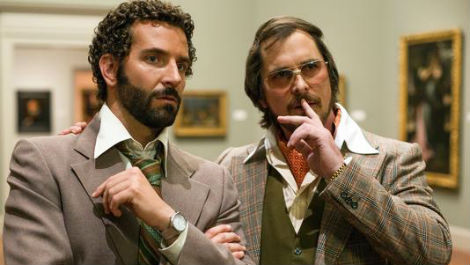
Best Dental Implants

30.1.14
Yasiin Gaye by Amerigo Gazaway
14.1.14
Even More Selected Podcasts
Some time ago I put together a short list of worthwhile podcasts. Here are a few more to keep that list going. Try these out on a walk or a commute or wherever you want to engage your imagination and/or be inspired.
 UnFictional - KCRW puts together compelling stories from the Independent Producer Project, a great way to hear perspectives from storytellers who might not cut through the greater internet din. Here's a start for you: the tale of Nature Boy, a.k.a. eden ahbez, a California ascetic whose spiritual journey was a precursor to West Coast "hippie" culture.
RTÉ Radio 1 - This is not where I originally heard the story of a German paraglider who was hopelessly ensnared by an Australian thunderhead during competition, but if that gripping survival story is any indication, the Irish radio giant has plenty more quality pieces to discover.
Smithsonian Folkways: Sounds to Grow On - An interest in field recordings and American roots music led me to this set of programs, chock full of rare Folkways Records treasures presented by the son of Moses Asch, the label's founder.

The whole collection is illuminated by the historical insights provided by Michael Asch & folklorists making these a pleasure to delve into. The episode titled Talking About the Blues exemplifies the depth of the music and cultural context found throughout the series (above, Big Bill Broonzy, one of my favorites).
Judge John Hodgman - The comedian/writer host is a middle-aged eccentric with a lush mustache and a distinctive worldview. If you can handle a fair dose of hipster geekery, try out one of these entertaining mock trials based on:

Enjoy...and tell me: What podcasts are you enjoying lately?
 UnFictional - KCRW puts together compelling stories from the Independent Producer Project, a great way to hear perspectives from storytellers who might not cut through the greater internet din. Here's a start for you: the tale of Nature Boy, a.k.a. eden ahbez, a California ascetic whose spiritual journey was a precursor to West Coast "hippie" culture.
RTÉ Radio 1 - This is not where I originally heard the story of a German paraglider who was hopelessly ensnared by an Australian thunderhead during competition, but if that gripping survival story is any indication, the Irish radio giant has plenty more quality pieces to discover.
Smithsonian Folkways: Sounds to Grow On - An interest in field recordings and American roots music led me to this set of programs, chock full of rare Folkways Records treasures presented by the son of Moses Asch, the label's founder.

The whole collection is illuminated by the historical insights provided by Michael Asch & folklorists making these a pleasure to delve into. The episode titled Talking About the Blues exemplifies the depth of the music and cultural context found throughout the series (above, Big Bill Broonzy, one of my favorites).
Judge John Hodgman - The comedian/writer host is a middle-aged eccentric with a lush mustache and a distinctive worldview. If you can handle a fair dose of hipster geekery, try out one of these entertaining mock trials based on:
"real life disputes on issues such as:
-is chili a soup or a stew?
-is this room in my house called an “office” or a “den” or “a room full of junk.”
-when is it may someone else’s Chinese food be legally considered abandoned property?
-is it OK to rifle through the trash for prize coupons in a Canadian pizza parlor?
-is a machine gun a robot?
Then I tell the disputants who is right and who is wrong."It's good fun (if not Maximum Fun) but be prepared to suffer through some adolescent cackling. You do it for Click and Clack, don't you?

Enjoy...and tell me: What podcasts are you enjoying lately?
5.1.14
4.1.14
Like, The Grand Budapest Hotel
Like most folks, I like Wes Anderson--at least enough to post this trailer. I've even posted about him in the past. Like, surely, his next film will be something I'll also like.
14.12.13
Vocals Fry on Lexicon Valley
Lexicon Valley is an entertaining podcast on language from Slate.com. The main host, Mike Vuolo, is currently on paternity leave, but when he returns, I'll listen in again, no doubt. While mostly enjoying their linguistic dissections of everyday speech, the Lexicon Valley guys--Vuolo and "color man" Bob Garfield--have imbedded in me two brainworms that I just can't seem to shake.
 First is the use of the "historical present", a storytelling tendency you've surely noticed which Vuolo & Garfield covered in Ep. #15: "Then Is Now, Now and Then". Now, every time Jon Stewart interviews an author plugging a new non-fiction doorstop, I listen for the historical present. Recently, Doris Kearns Goodwin used it so heavily that had she not been so charming, I may have assumed she had actually hung out with her subjects, Roosevelt and Taft, maybe getting together to lift weights or pastries, depending. To paraphrase, the author waxed in the present tense, "Roosevelt grows up a feeble boy, so as president he cares deeply about his physical stature and reinvents himself." The constant assumption is that the Kearns Goodwin interview (from about 2:10 onward) is prefaced by an implied "At the time..." because her subject is a historic figure. Even if the subject matter dictates the verb tense, the conversation is about people and events from 100+ years ago. The author does mention that she has to "live with these guys" due to the intensity of her research which might explain both her prowess in the genre and her reliance on the historical present. Nevertheless, in the media and in daily interactions, you'll notice the historical present and you'll probably hear it more often than it's needed. The L.V. episode eventually approves the use of the historical present to add impact to yarn spinning, but the hosts also admit that its overuse is distracting. I hear it all the time and can't ignore it. If it works within a story, fine, but when it doesn't, it is obnoxious and pretentious.
In Ep. #24: "Do You Creak?" Vuolo also explained another linguistic nuance aptly named "vocal fry". Once you hear it, you'll never stop noticing it. Also referred to as "creaky voice", the affectation is incessant and annoying. The hosts and guests discuss the creaky voice in relation to certain young women, adding it to long list of Valley Girl-inspired airs.
Most often the creaky sizzle in the final syllable(s) of a word emphasizes the speaker's authority on the subject or otherwise adds an atmosphere of credibility. Listen to any talking head on the news--e.g. the guy from IHS Global Insight who Robert Segal inevitably calls every time he needs an NPR soundbite on Yemeni politics in relation to desalination plants. As the gentleman trails off, you can note a lengthening of the last word and a staccato pattern of vocal chord vibrations, like a rusty morning utterance or the sound of an elderly grandparent's voice. Inadvertent vocal fry--just the sound of someone's speech--is completely fine with me, but add the smallest degree of exaggeration and the purposeful creaky voice could just reveal a poser or a flake.
Highly recommended listening: Lexicon Valley addresses countless linguistic phenomena, subtle curiosities about how we say what we say and why. As modes of communication morph and multiply, old-fashioned speaking and writing continue to be fascinating subjects. Give an episode a go:
"Lord Grantham, Don Draper's on Hold" -- historically inaccurate vocab. on the boobtube
"Malapropisms: the Pineapple of Linguistic Errors" -- common (sometimes comedic) slips of the tongue
"Undocumented Illegals" -- problematic labels, public relations implications, and dignity issues

In Ep. #24: "Do You Creak?" Vuolo also explained another linguistic nuance aptly named "vocal fry". Once you hear it, you'll never stop noticing it. Also referred to as "creaky voice", the affectation is incessant and annoying. The hosts and guests discuss the creaky voice in relation to certain young women, adding it to long list of Valley Girl-inspired airs.
 |
| Vocal fry waveform in a related article on Speech Talk |
Highly recommended listening: Lexicon Valley addresses countless linguistic phenomena, subtle curiosities about how we say what we say and why. As modes of communication morph and multiply, old-fashioned speaking and writing continue to be fascinating subjects. Give an episode a go:
"Lord Grantham, Don Draper's on Hold" -- historically inaccurate vocab. on the boobtube
"Malapropisms: the Pineapple of Linguistic Errors" -- common (sometimes comedic) slips of the tongue
"Undocumented Illegals" -- problematic labels, public relations implications, and dignity issues
6.12.13

11.11.13
20.10.13
Living in 'The Spectacular Now'
For an indie with a limited budget, The Spectacular Now received wider than expected exposure due to solid writing and some fine acting, especially from relative newcomer Shailene Woodley. A glowing reception at Sundance surely helped. Overall, it's an entertaining film with a hazy patina of teenage angst rife with nebulous ambitions. The protagonists' respective futures are further blurred by questionable coping strategies and a requisite lack of role models. Honestly, there are no definitive happy endings here but neither is it a complete downer.

Although coming-of-age stories are overplayed today (and this one has a bit too much nonchalant underage drinking), the plot here takes a novel route through familiar themes: finding identity in a confusing world, relating to one another when we can, and admitting that our parents' lives are not necessarily ours to repeat.
I related to the Southeastern setting, Athens, GA to be exact, a midsize town like any other, somewhat depressed with kudzu-covered outskirts. Behind my pup Tallulah is the character Aimee's house from the film, just around the corner from our spot in leafy Normaltown. For me, even better than the humble low-slung rental itself is the real life neighbors' nifty micro-clearinghouse for miscellanea.

I've picked up many a cool little item from The Awesome Table (and re-gifted as directed): flowerpots, posters, antiques bottles, all manner of useful detritus--useful to someone, at least. The Spectacular Now has its utility, too, while taking itself just seriously enough for the viewer to follow suit.
Watch the trailer.
More on the director, James Ponsoldt, an Athens, GA native.
Subscribe to:
Posts (Atom)